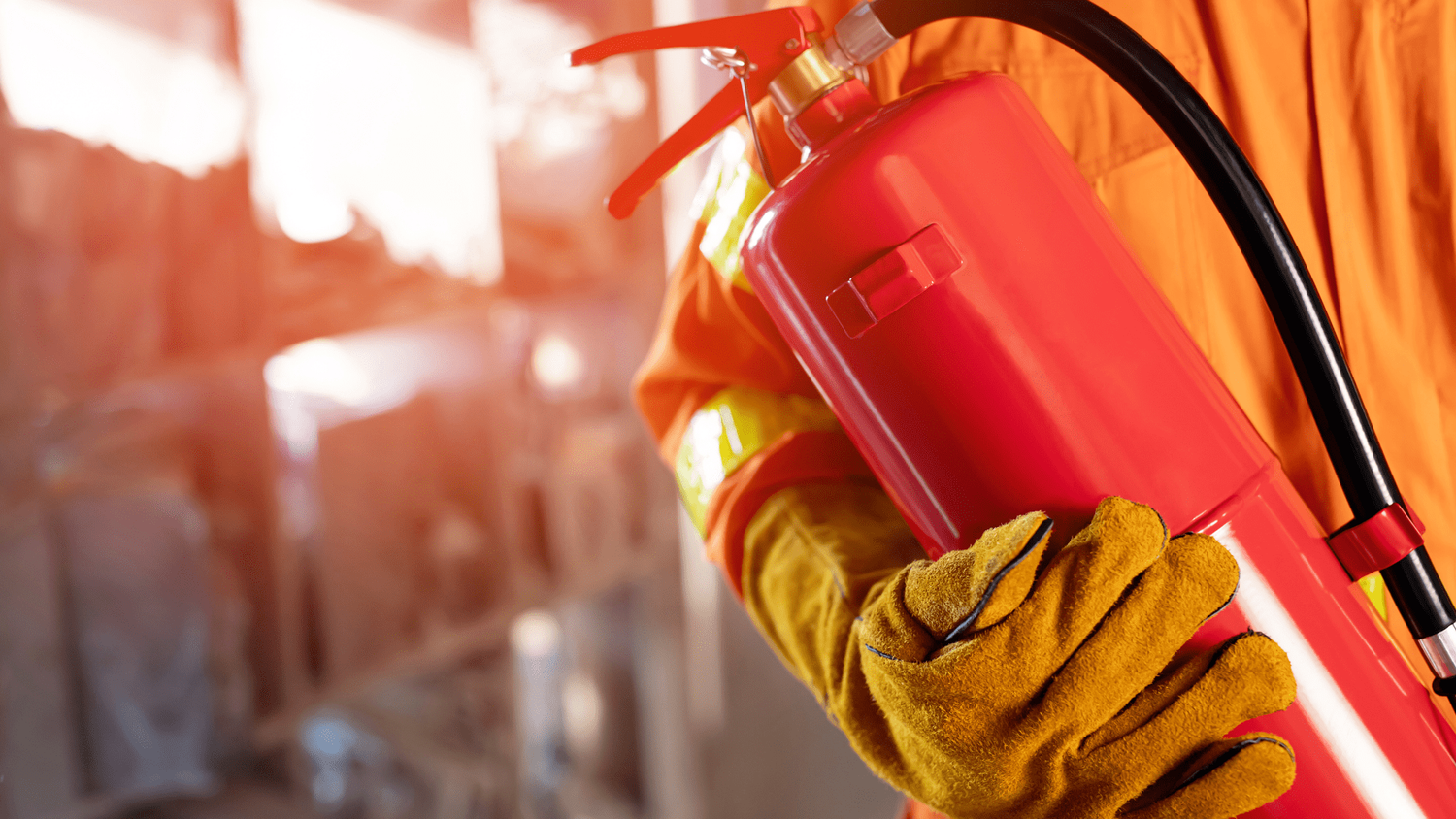
Fire safety training teaches employees how to prevent fires, recognize hazards, and respond correctly during an emergency including evacuation procedures, alarm response, and proper use of fire extinguishers. For businesses, it isn’t optional extra training. It’s one of the most direct ways to protect people, reduce liability, and stay compliant with workplace safety law.
Every year, workplace fire safety cause preventable injuries, property losses, and shutdowns that many businesses never fully recover from. Most of that damage is avoidable not through luck, but through preparation. Here’s why fire safety training deserves a permanent place in your business’s safety program, what it should cover, and how it works alongside professional fire watch services to keep your property protected year round.
Why Does Fire Safety Training Matter for Businesses?
Fire safety training matters because it directly reduces the two things that hurt businesses most in a fire: response time and preventable risk. Employees who know how to recognize hazards, use an extinguisher, and evacuate correctly turn a potential disaster into a contained, manageable incident.
The impact goes beyond the moment of the fire itself:
- Faster, calmer emergency response. Trained employees don’t freeze or improvise during a crisis they follow a plan.
- Fewer fires in the first place. Most workplace fires start from preventable causes: overloaded circuits, improperly stored flammable materials, or poor equipment maintenance. Training teaches staff to spot and fix these before they become hazards.
- Lower financial exposure. Property damage, business interruption, and rising insurance premiums all follow a fire even a small one. Prevention and fast containment limit that exposure significantly.
- Reduced legal and regulatory risk. Untrained staff and missing documentation are common findings in post-incident investigations, and they can expose a business to liability well beyond the cost of the fire itself.
Is Fire Safety Training Legally Required?
Yes in the United States, the Occupational Safety and Health Administration (OSHA) requires most employers to provide fire prevention and emergency action training, and the specific technical standards for fire protection systems generally follow the National Fire Protection Association’s NFPA 101 Life Safety Code. Requirements vary by state, industry, occupancy type, and local fire code, so businesses should confirm the exact rules that apply to their location and sector.
At minimum, employers with a fire prevention plan or emergency action plan are expected to train employees on:
- What to do if they discover a fire
- How to report a fire or activate an alarm
- Evacuation routes and assembly points
- Roles for employees with specific emergency duties (e.g., shutting down equipment)
Failure to meet these requirements isn’t just a compliance gap it becomes a serious liability issue if an incident occurs and training records don’t exist.
What Does Fire Safety Training Typically Cover?
A complete fire safety training program covers both prevention and response, not just “what to do when the alarm goes off.” Most programs include:
- Fire hazard recognition — identifying risks specific to your workplace, from electrical issues to flammable storage.
- Fire prevention practices — housekeeping standards, safe storage, and equipment maintenance that stop fires before they start.
- Extinguisher use — hands-on training on extinguisher types and when it’s safe to fight a small fire versus evacuate.
- Evacuation procedures — routes, exits, assembly points, and accountability for headcounts.
- Alarm and detection systems — how to recognize and respond to different alarm signals.
- Roles and responsibilities — who leads evacuation, who assists employees with disabilities, and who coordinates with emergency responders.
Training should be tailored to the business. A warehouse with flammable inventory has different risks than an office building or a live event, which is why generic, one-size-fits-all training often falls short.
How Often Should Fire Safety Training Be Conducted?
Most businesses should refresh fire safety training at least once a year, with fire drills conducted more frequently depending on occupancy type and local fire code requirements. High-risk environments construction sites, industrial facilities, hot work zones, healthcare, and hospitality often need more frequent refreshers and drills.
Training should also be repeated whenever:
- New employees are onboarded
- Your facility layout, exits, or equipment change
- A near-miss or actual incident occurs
- Local fire code or occupancy requirements are updated
Fire Safety Training vs Fire Watch Services: How They Work Together
Fire safety training prepares your employees to prevent and respond to fires as part of daily operations. Fire watch services provide dedicated, trained personnel to actively monitor a property for fire hazards in real time typically when fire protection systems are impaired, during high-risk work, or when standard training and equipment alone aren’t enough to meet compliance requirements.
The two aren’t interchangeable they’re complementary layers of protection:
Ongoing operations: Fire safety training keeps your regular staff prepared for everyday risk.
Elevated-risk situations: Dedicated fire watch services add continuous, trained monitoring during periods when risk is higher than normal, including:
- Fire watch for hot work — welding, cutting, and other spark-producing tasks
- Fire watch for construction sites — where fire suppression systems may not yet be operational
- Fire watch for system outages — when sprinklers or alarms are temporarily down
- Fire watch for events — large gatherings with elevated occupancy and ignition risk
Businesses that combine trained employees with professional fire watch coverage during high-risk periods close the gaps that training alone can’t cover.
How to Build an Effective Fire Safety Training Program
- Start with a risk assessment. Identify the specific fire hazards present in your facility, industry, and layout.
- Build a written fire prevention and emergency action plan. Document evacuation routes, roles, and reporting procedures.
- Train all employees, not just management. Fire doesn’t check job titles everyone from leadership to part-time staff should know the plan.
- Run regular drills. Training that isn’t practiced fades quickly. Drills turn a plan into muscle memory.
- Bring in professional support for high-risk periods. Hot work, system outages, construction, and large events call for dedicated fire watch security services and specialized security training programs beyond standard employee training.
- Review and update annually. or immediately after any facility, staffing, or code change.
FAQs
What does fire safety training actually teach employees?
It teaches employees to recognize fire hazards, use fire extinguishers correctly, follow evacuation procedures, and respond properly to alarms — turning a potential emergency into a controlled, manageable incident.
How often should fire safety training be refreshed?
At least once a year for most businesses, with more frequent drills for high-risk environments like construction sites, industrial facilities, and healthcare settings. It should also be repeated after new hires, facility changes, or any near-miss incident.
What’s the difference between fire safety training and fire watch services?
Fire safety training prepares regular employees for day-to-day fire risk. Fire watch services provide dedicated personnel who actively monitor a property in real time — typically during high-risk periods like hot work, system outages, or construction.
What happens if a business skips fire safety training?
Beyond the direct risk of fire, missing training and documentation are common findings in post-incident investigations and can expose a business to significant legal and regulatory liability.
Who needs fire safety training just management, or everyone?
Everyone. Fire risk doesn’t stop at job title, so all employees leadership, full-time staff, and part-time staff should know the evacuation plan and their role in it.